water vapor
US /ˈwɔtɚ ˈvepɚ/
・UK /ˈwɔ:tə ˈveipə/
A1
n. (u.)Uncountable NounWater in its gaseous state, especially when diffused in the atmosphere.
The air was thick with water vapor after the rain.
Video subtitles
Why beavers matter as the planet heats up
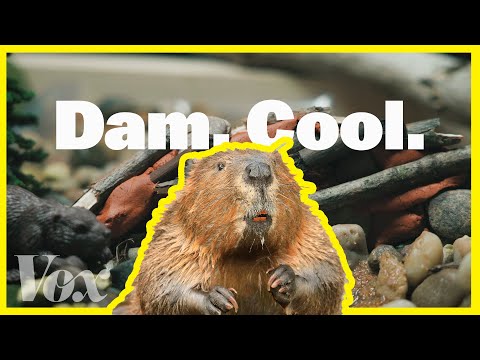
- As that water evaporates, the water vapor chills the air.
As that water evaporates, the water vapor chills the air.
- As that water evaporates, the water vapor chills the air.
As that water evaporates, the water vapor chills the air.
How Do Snowflakes Form?
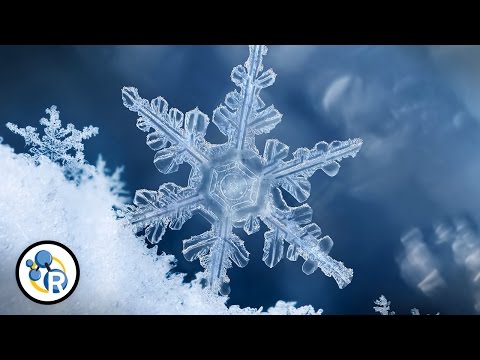
- Water vapor in the air sticks to the dust grain, and the resulting droplet turns directly into ice.
Water vapor in the air sticks to the dust grain, and the resulting droplet turns directly into ice.
- A snowflake starts as a dust grain floating in a cloud. Water vapor in the
A snowflake starts as a dust grain floating in a cloud. Water vapor in the
How Do We Know What Air is Like on Other Planets?
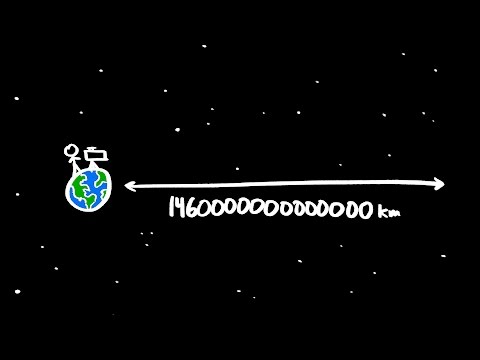
- that contains hydrogen, carbon, oxygen, sodium, carbon dioxide, methane, and even water vapor.
that contains hydrogen, carbon, oxygen, sodium, carbon dioxide, methane, and even water vapor.
- even water vapor.
even water vapor.
The weather loophole keeping this city sunny
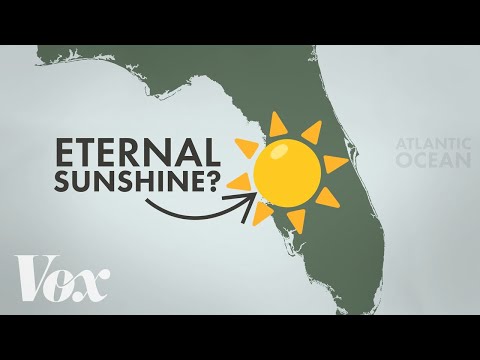
- When it comes to Florida, very warm temperatures means that more water vapor can evaporate into the air, which means that when it does rain, it tends to rain a lot and very heavy and all at once.
When it comes to Florida, very warm temperatures means that more water vapor can evaporate into the air, which means that when it does rain, it tends to rain a lot and very heavy and all at once.
- Very warm temperatures means that more water vapor can evaporate into the air, which means that when it does rain, it tends to rain a lot and very heavy and all at once.
Very warm temperatures means that more water vapor can evaporate into the air, which means that when it does rain, it tends to rain a lot and very heavy and all at once.
Why Are Cooling Towers Shaped Like That?

- It's not actual smoke, it's just water vapor condensing into tiny droplets as the now saturated air mixes with the cooler outside air at the top of the stack.
It's not actual smoke, it's just water vapor condensing into tiny droplets as the now saturated air mixes with the cooler outside air at the top of the stack.
- It's just water vapor condensing into tiny droplets as the now saturated air mixes with the cooler outside air at the top of the stack.
It's just water vapor condensing into tiny droplets as the now saturated air mixes with the cooler outside air at the top of the stack.
Transforming Air Into Pure Drinking Water Is Finally Possible, Here's How
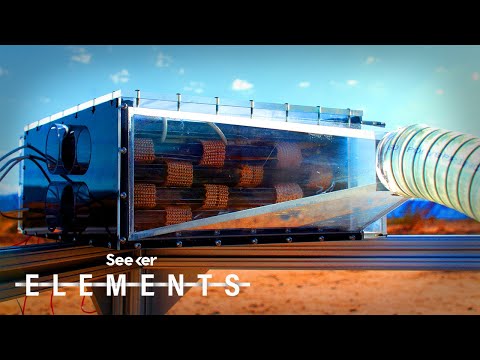
- The function the Berkeley scientists tuned their MOF for was extracting water vapor that's present in the air.
The function the Berkeley scientists tuned their MOF for was extracting water vapor that's present in the air.
- The function the Berkeley scientists tuned their MOF for was extracting water vapor that's present in the air.
The function the Berkeley scientists tuned their MOF for was extracting water vapor that's present in the air.
Is Climate Change Just A Lot of Hot Air?
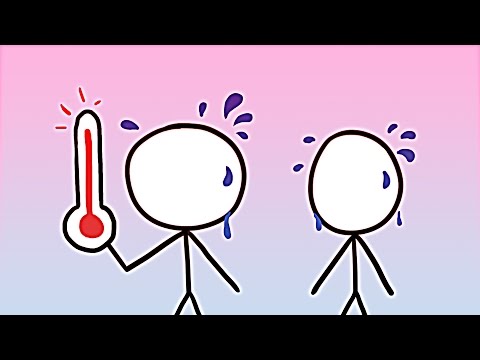
- At the same time, every degree increase in air temperature raises the air's capacity to hold water vapor by about 7%.
At the same time, every degree increase in air temperature raises the air's capacity to hold water vapor by about 7%.
- to hold water vapor by about 7 percent. This means parcels of air out over the ocean are
to hold water vapor by about 7 percent. This means parcels of air out over the ocean are
Why Are There Clouds?

- In fact, the more water vapor it collects before liftoff, the lighter it gets.
In fact, the more water vapor it collects before liftoff, the lighter it gets.
- As weird as that sounds, it's because water vapor is a gas, just like the nitrogen and oxygen that make up most of the atmosphere.
As weird as that sounds, it's because water vapor is a gas, just like the nitrogen and oxygen that make up most of the atmosphere.
Why is the Sky Blue? | Don't Memorise

- The earth's atmosphere is mainly composed of gases, dust particles, water droplets and water vapor.
The earth's atmosphere is mainly composed of gases, dust particles, water droplets and water vapor.
Stanford Nanofabrication Facility: Dry Etching - Choosing a Dry Etching Process & Tool (Part 4 of 4)
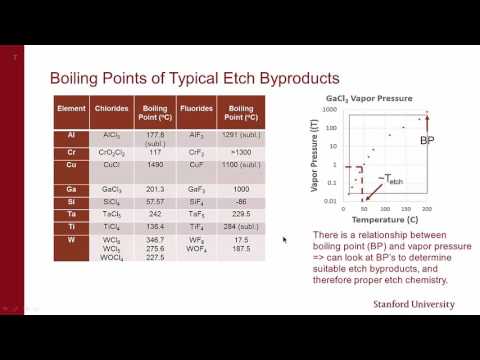
- Boron trifluoride is a very interesting chemical in that it not only removes a lot of oxides, it also, when in the gas chemistry, it removes any water vapor or oxygen that may be coming from the surfaces or other places.
Boron trifluoride is a very interesting chemical in that it not only removes a lot of oxides, it also, when in the gas chemistry, it removes any water vapor or oxygen that may be coming from the surfaces or other places.
- Boron trichloride is very interesting chemically in that it, it not only removes a lot of oxides it also when it's in the gas chemistry it removes any water vapor, oxygen that may be coming from the surfaces or other places.
Boron trichloride is very interesting chemically in that it, it not only removes a lot of oxides it also when it's in the gas chemistry it removes any water vapor, oxygen that may be coming from the surfaces or other places.